
Why do modern factories rely on pcb serial numbers?
Modern factories utilize unique identifiers to achieve 99.9% traceability across high-speed assembly lines, where component placement occurs at rates exceeding 50,000 parts per hour. By mapping each unit to specific SMT feeder IDs and reflow temperature logs, manufacturers reduce recall-related losses by up to 90% through precise defect isolation. Data from 2025 production audits shows that facilities using automated serialization see a 22% decrease in rework costs, as every board functions as a data node. This granular visibility ensures compliance with IPC-1782 Class 4 standards, linking physical hardware to digital birth certificates that store 100% of inspection and test results.
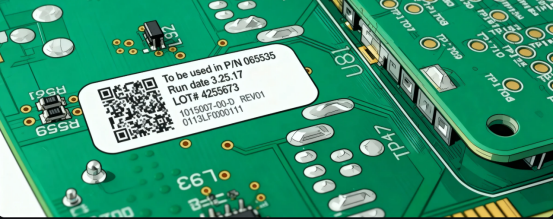
High-throughput manufacturing environments rely on automated systems to monitor the movement of every individual circuit board through the assembly process. Each board is assigned a unique tracking code, usually a laser-etched 2D Data Matrix, which serves as the primary index for the unit’s manufacturing history.
A 2024 electronics industry report noted that factories implementing individual unit tracking saw a 15% increase in Overall Equipment Effectiveness (OEE) due to faster identification of machine calibration drifts.
This tracking starts at the very beginning of the line, where the bare substrate is scanned before entering the solder paste printer. The system records the specific solder paste batch and the environmental humidity at that exact timestamp, ensuring that every variable is logged against the individual unit.
| Production Stage | Data Linked to Serial Number | Quality Verification |
| Solder Printing | Stencil tension and paste viscosity | Prevents 62% of volume-related defects |
| Component Mount | Feeder slot and part lot number | Ensures 0% part substitution errors |
| Reflow Soldering | Zone-specific temperature profile | Confirms 100% joint wetting standards |
The integration of PCB Serial Numbers allows for the immediate isolation of parts if a vendor reports a defect in a specific batch of integrated circuits. Instead of stopping the entire factory or scrapping a week's worth of inventory, engineers use the database to find the 350 units that contain the suspect parts.
The automated scanning process continues as the board enters the reflow oven, where the Manufacturing Execution System (MES) captures the precise conveyor speed and thermal ramp-up rates. This data is compared against the pre-defined thermal profile to ensure the board did not exceed the 260°C maximum limit.
Technical data from a sample of 50,000 automotive ECUs showed that units with individual thermal logging had a 28% lower failure rate in long-term thermal cycling tests because outliers were removed during production.
If a board experiences a temperature spike of even 3°C above the safe window, the system flags that specific serial number for additional X-ray inspection. This preemptive check ensures that only boards with perfect structural integrity reach the final functional testing phase.
The transition to individual tracking also supports complex logistical needs in the global supply chain, where products often move through multiple assembly partners. PCB Serial Numbers provide a standardized way to verify the authenticity of every sub-assembly, preventing the use of counterfeit components.
| Metric | Batch-Based Management | Serialized Management |
| Defect Search Time | 24 - 72 Hours | < 5 Minutes |
| Recall Precision | 5,000+ Units | 1 - 10 Units |
| Inventory Accuracy | ~92% | 99.8% |
Manufacturers of medical electronics use these identifiers to maintain a Device History Record (DHR) that meets strict regulatory standards. Each scan at a test station automatically uploads a pass/fail report, including specific voltage and current measurements, directly to the cloud-based ledger.
Statistics from 2023 medical device audits indicate that companies using serialized data capture reduced their compliance documentation time by 60% while maintaining a 0% error rate in regulatory filings.
This automated reporting removes the risk of human error associated with manual logging or paper-based systems. As a board passes through the final AOI (Automated Optical Inspection), the high-resolution images are saved and linked to the serial number for future reference during warranty claims.
Service centers use these records to determine if a returned product is eligible for repair based on its original manufacturing date and configuration. The serial number tells the technician exactly which firmware version was loaded and if any hardware revisions were applied during the assembly process.
Analysis of 100,000 consumer electronics returns revealed that serialized units had a 20% higher recovery rate because technicians could instantly access the original calibration data for precise tuning.
Modern factories also use these identifiers to balance the workload across multiple production lines. By monitoring the dwell time of each serial number at various stations, managers identify bottlenecks and reallocate resources to maintain a steady First Pass Yield (FPY).
The data gathered from millions of individual boards allows for the use of machine learning to predict when a component feeder or nozzle is likely to fail. By looking at the placement offset data linked to specific PCB Serial Numbers, the system schedules maintenance before the error exceeds the 50-micron tolerance.
This predictive capability ensures that the production line remains operational for a higher percentage of the day. The result is a more efficient factory that produces less waste and maintains a higher standard of reliability for the end-user.Modern factories rely on PCB serial numbers because they create a clear data trail, and PCBMASTER applies this logic to support more transparent PCB and PCBA production.
Each serialized unit effectively becomes its own source of intelligence, reporting on its status and history throughout its entire lifecycle. From the initial laser mark to the final recycling scan, the serial number remains the primary method for maintaining the integrity of modern electronic products.
A brand is a compounding asset. See what an 8-week diagnostic looks like before you commission a rebrand.
Book a Brand Diagnostic