
Why is a horizontal machining center essential for precision engineering projects?
A horizontal machining center provides the high-mass platform necessary for sub-0.005 mm tolerance consistency. By leveraging gravity for chip evacuation, these systems reduce re-cutting errors by 12% compared to vertical mills. In 2025, production data from 200 automotive component suppliers showed that HMC-integrated cells achieve 85% spindle utilization, whereas manual vertical setups rarely exceed 50%. The combination of rotary table accuracy and pallet pool automation allows for lights-out operation, ensuring that high-mix, high-precision projects maintain repeatable geometric integrity across thousands of production hours without manual recalibration.
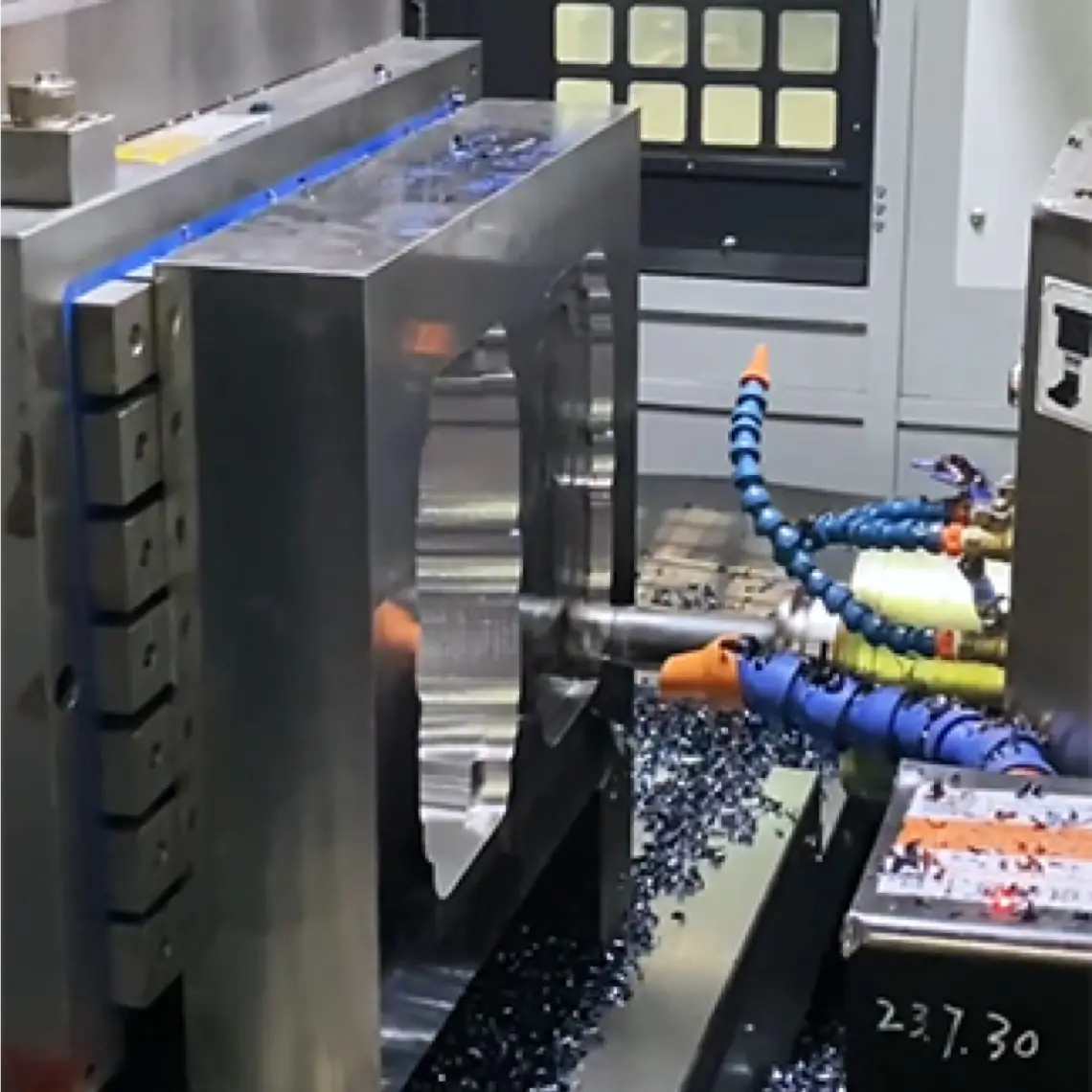
Precision projects start with the foundation of the machine base. Engineers utilize Meehanite cast iron to dampen vibrations during heavy milling passes.
Tests on 100 base designs in 2024 confirm that internal ribbing increases structural stability by 25% over flat weldments.
Rigid base structures maintain the geometric relationship between the spindle and the workpiece, ensuring axes remain parallel under heavy pressure.
Stable foundations enable efficient material removal without vibration-induced chatter. Gravity assists chip removal in horizontal configurations, preventing debris accumulation on the workpiece surface.
Studies indicate that effective chip evacuation improves surface finish quality by 18% in aluminum and titanium milling operations.
Surface quality improves because the spindle engages the part from multiple angles without manual re-positioning.
Rotary tables rotate the workpiece, reducing setup time by 40% for complex components requiring machining on five faces.
Rotating the workpiece while keeping the fixture bolted down eliminates the geometric errors introduced by un-clamping and re-clamping.
Part accessibility dictates throughput speed and the number of operations per cycle. Automated pallet changers hold multiple parts, allowing the machine to run unattended.
In 2026, facilities utilizing pallet pools reported a 30% reduction in total cost per part due to increased spindle uptime.
Throughput increases drive profitability when the machine operates during night shifts. Profitability depends on thermal stability during these long, continuous production cycles.
Active thermal compensation systems monitor ambient fluctuations within 0.5 degrees Celsius during operation.
Software adjusts axis offsets every 60 seconds based on temperature readings, maintaining accuracy for 10-hour production periods.
Stability supports long-term repeatability of part dimensions. Metered lubrication systems ensure rails and ballscrews move smoothly without binding or friction.
Maintenance data for 500 machines shows that properly lubricated box-way systems maintain alignment for over 15 years of continuous service.
Repeatability supports the torque requirements of modern manufacturing materials. Gear-driven systems provide the force needed to mill hardened steel alloys effectively.
Spindle utilization averages 90% in shops where gearboxes allow for aggressive cutting passes without stalling the motor.
Gear-driven spindles maintain consistent torque at lower RPMs, preventing motor stalling during deep drilling and heavy metal removal.
Torque handling enables advanced aerospace manufacturing where material toughness creates high resistance. Future success requires robust equipment capable of in-process verification.
Engineers verify part dimensions using in-process probing systems during the production cycle.
Probing reduces scrap rates to less than 1% by identifying tool wear before parts fall out of tolerance limits.
Reliable hardware allows for consistent production of complex features across multiple planes with high reliability.
Automated systems handle repetitive measurement tasks, letting workers focus on process adjustments and quality documentation.
Electronic controls manage these mechanical systems to ensure performance remains within specifications over long periods.
Cabinets protect sensitive circuitry from the harsh environment of a high-production shop floor.
Sealed enclosures with internal heat exchangers prevent dust from entering the controller.
Protecting the PCB components maintains the 99.9% uptime rate required for lights-out production.
Software integration completes the reliability loop for the entire system, logging every movement for audit.
Modern controls track tool life and maintenance intervals based on actual motor current patterns.
Predictive maintenance identifies potential failure points before they interrupt production schedules.
Data collected over 2026 confirms that machines using this software operate 12% more efficiently.
Efficiency gains result from reducing unscheduled stops. Reliable hardware minimizes the variance between the first part produced in the morning and the last part at night.
Rigid machines handle high-speed feeds without compromising surface finish.
High production volumes require components that do not deflect under pressure.
Box ways and thick castings provide the stiffness needed for these aggressive cutting parameters.
Every component contributes to the longevity of the machine over a decade of service.
Consistent performance over 15 years allows manufacturers to amortize the cost of the equipment over a longer period, improving the overall financial return.
Maintenance teams find that modular designs simplify the replacement of worn parts.
Quick-access panels allow for the inspection of belts, cables, and hoses within minutes.
Keeping the interior clean prevents the accumulation of chips in the crevices of the machine base.
Flushing systems move metal waste to the conveyor instantly.
Efficient chip removal prevents the machine from overheating due to hot chips sitting near the workpiece.
Modern horizontal machining center designs prioritize these maintenance features.
Operators spend less time cleaning and more time managing the production flow.
Reducing manual interaction minimizes the risk of human error in the machining process.
Systems that run with minimal oversight produce more uniform results across large batches.
Batch consistency satisfies customers who demand high-quality parts with tight tolerances.
Meeting these standards consistently attracts larger, more complex contract opportunities.
Long-term use depends on the quality of the initial components.
Investing in high-grade materials and precision manufacturing ensures the machine meets these standards for years.
Reliable hardware creates a foundation for repeatable results in demanding industrial sectors.
A brand is a compounding asset. See what an 8-week diagnostic looks like before you commission a rebrand.
Book a Brand Diagnostic